How to Talk to Your Kids About Divorce: A Practical Guide for Parents
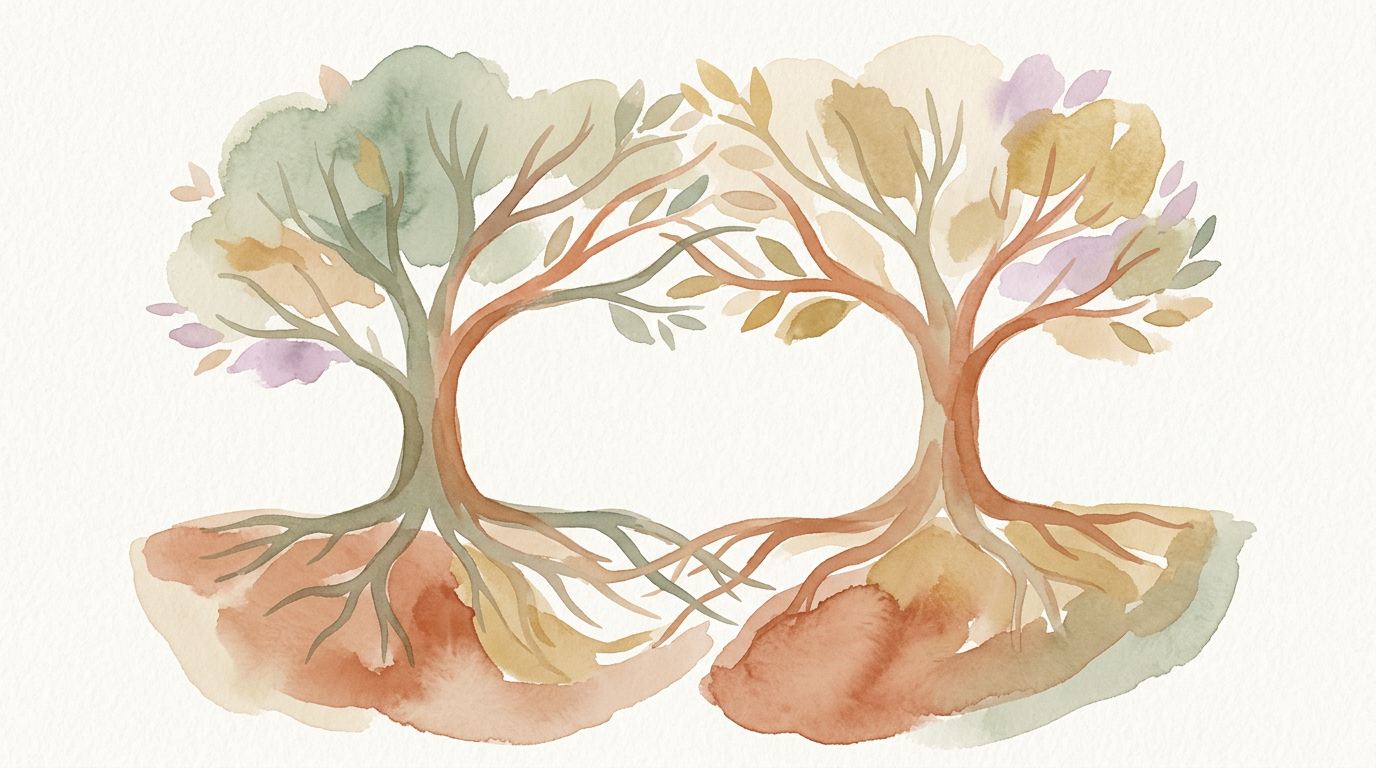
When Family Takes a New Shape
I remember a mom who came into my office with red eyes and her hands clasped tightly in her lap. The first thing she said to me was: “I know I need to tell my kids something, but I don’t know how. I’m terrified of hurting them.” Over the years, I’ve heard that same sentence — in different words, from different people — more times than I can count.
If you’re reading this, you’re probably in that same place right now: in the middle of one of the hardest decisions of your life, trying your best to protect your kids. And I want you to know something important from the start: the fact that you’re looking for how to do this well already says a lot about the kind of parent you are.
This is a practical guide to help you talk to your children about divorce in a way that’s honest, loving, and age-appropriate — wherever you are in the process.
Why How You Say It Matters More Than You Think
When it comes to divorce and kids, we tend to focus on what to say. But research in child and family psychology is clear: the way you communicate the news can make a real difference between your children processing it in a healthy way or carrying confusion and guilt for years.
Kids are extraordinarily sensitive to the emotional tone of the adults around them. If they sense secrets, inconsistencies, or things left unsaid, their minds — which don’t yet have the tools to make sense of the situation — will fill in the blanks on their own. And those self-made explanations often include one devastating idea: “This happened because of me.”
A calm, clear, and honest conversation — adapted to their age — gives them something valuable: a story they can understand, rather than a silence they have to fear.
What to Say — and What Not to Say — Depending on Your Child’s Age
There’s no single script. What you say to a four-year-old looks very different from what you explain to a fifteen-year-old. Here are some general guidelines:
Young Children (Ages 2–6)
- Use simple, concrete language: “Dad isn’t going to live here anymore, but we both love you so much and we’ll always take care of you.”
- Repeat the message calmly as many times as they need to hear it.
- Avoid going into the details of your relationship — that’s not for them to carry.
- At this age, what matters most is routine and physical security: Where will they sleep? Who takes them to school?
School-Age Children (Ages 7–12)
- They can understand a little more, but still need things kept simple and clear.
- Say explicitly: “Nothing you did — or didn’t do — caused this.”
- Let them ask questions and answer honestly, without overwhelming them with information.
- Avoid speaking negatively about the other parent in front of them, even when you’re angry — and it’s okay to be angry.
Teenagers (Ages 13 and Up)
- They deserve more context, but that doesn’t mean making them your emotional confidant.
- Validate their feelings, even if those feelings are anger or withdrawal: “It makes complete sense that you’re upset. This is hard.”
- Avoid asking them to take sides or validate your perspective on the other parent.
- Watch out for them slipping into a caretaker role with you — they need to be supported too, not just the ones doing the supporting.
Supporting Your Kids’ Emotions After the Conversation
Once you’ve told them, they’re going to feel things. A lot of things. Sadness, anger, fear, confusion — and sometimes even relief, especially if there’s been tension at home. All of those emotions are valid.
Your job isn’t to prevent them from hurting — that’s not within your power — it’s to be present while they work through it.
Some things that genuinely help:
- Keep routines as stable as possible: school, activities, regular mealtimes and bedtimes.
- Name emotions out loud: “I can see you’re sad. I am too. We can feel that together.”
- Play with younger kids: play is how children naturally process what they’re feeling.
- Check in without interrogating: a simple, genuine “How are you doing today?” opens more doors than a formal sit-down conversation.
- Remind them, again and again, that your love for them isn’t part of what’s changing.
Common Mistakes Parents Make Without Realizing It
I’m not sharing these to add to any guilt you’re already carrying — and I know you’re probably carrying plenty. I’m sharing them so you can recognize them and course-correct:
- Using your kids as messengers between the two of you.
- Talking negatively about the other parent in front of them — this creates a painful divided loyalty that can follow kids for a long time.
- Pretending everything is fine when it isn’t. Kids notice the incongruence, and it teaches them not to trust their own perceptions.
- Overcompensating with gifts or loosened rules instead of presence and real conversation.
- Assuming they’ve moved on because they stopped asking questions. Sometimes silence means they need more support, not less.
When to Seek Professional Support for Your Family
Asking for help isn’t a sign that you’ve failed. It’s a sign that you care deeply about your children’s wellbeing — and your own.
Consider reaching out to a professional if you notice any of the following in your child:
- Significant changes in sleep, appetite, or school performance
- Regression to earlier behaviors (bedwetting, baby talk)
- Withdrawal, prolonged sadness, or intense irritability
- Comments suggesting they feel responsible for the divorce
- Difficulty expressing their feelings, even with you
Play therapy, narrative therapy, and systemic family work are all highly effective tools for supporting children and families through exactly this kind of transition. In my practice in Condesa, I work with children, teenagers, and families navigating what I’d call a family reorganization — something that hurts, yes, but that can also become a story of real resilience.
I offer sessions in English for expats, digital nomads, and English speakers living in Mexico City. If you feel like you or your family could use a space to process all of this, feel free to reach out directly via WhatsApp — I’m happy to talk through how I can support you: Book a session here
A Final Word — for You
Divorce is a loss. For you and for your kids. And like any loss, it needs time, space, and support to be processed.
A family changing shape doesn’t mean a family breaking apart. It means a family learning to be something new. And by looking for how to do this with intention and love, you’re already laying the foundation for that new shape.
You don’t have to do this perfectly. You just have to do it present.
If you have questions, doubts, or just want to talk with someone who understands what you’re going through, I’m here. It would be a genuine privilege to walk alongside you in this.

Narrative therapist in Condesa, CDMX. Graduate of Universidad Iberoamericana with two master's degrees. Professional license 14444809.
Did this article resonate with you?
If something you read connects with you, I'm here to walk alongside you. Take the first step.
Message me on WhatsAppValidated assessments and practical exercises to support your mental health.